The phrase nonprofit foundation may seem ambiguous since it consists of two terms used separately.
A nonprofit is an organization created for a specific purpose rather than profit. In contrast, a foundation manages assets and distributes grants to support charitable causes. Depending on its structure and funding sources, a foundation falls into different categories.
Understanding the types of nonprofit foundations is essential, as their structure dictates funding, governance, grantmaking, and administration—along with the grant management software needed to scale.
Understanding these differences helps nonprofit leaders, grantseekers, and donors navigate funding sources and how foundations operate.
What Are Nonprofit Foundations?
Nonprofit foundations are charitable institutions established to achieve a certain public or philanthropic goal. They are engaged in education, healthcare, community development, scientific research, social services, environment protection, arts and culture, and numerous other fields.
The first type of foundation grants funds to other organizations only. However, some of them carry out their own charitable programs and fund other nonprofits at the same time.
The thing that distinguishes foundations from other operating nonprofits is their financing and its use. Traditional nonprofit institutions depend mostly on donations, membership fees, service income, and grants.
Foundations, however, often originate from endowments or assets contributed by individuals, families, or corporations, using those funds to issue grants for specific charitable initiatives.
How Can They Be Both?
Specifically, an organization can be designated as a nonprofit based on its core purpose and governance structure, while its classification as a foundation reflects its primary funding mechanisms and operational model.
Consequently, the terms are not mutually exclusive and often work together to define an organization's legal and operational identity.
A private foundation might be organized as a nonprofit charitable institution that gets most of the funding from a family, an individual or a corporation. A community foundation is also organized as a nonprofit but raises the funds from a large number of donors.
The Difference Between Types
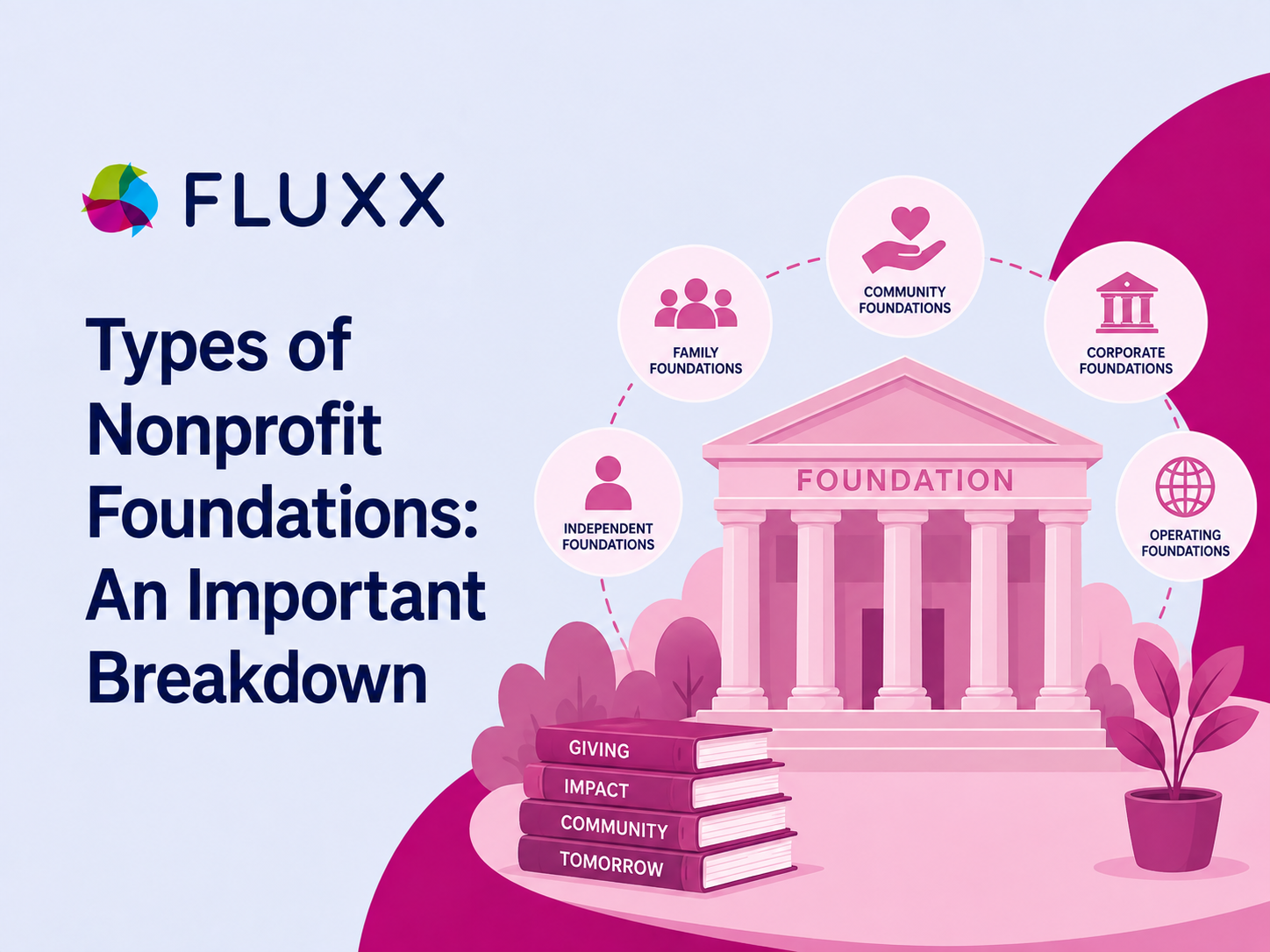
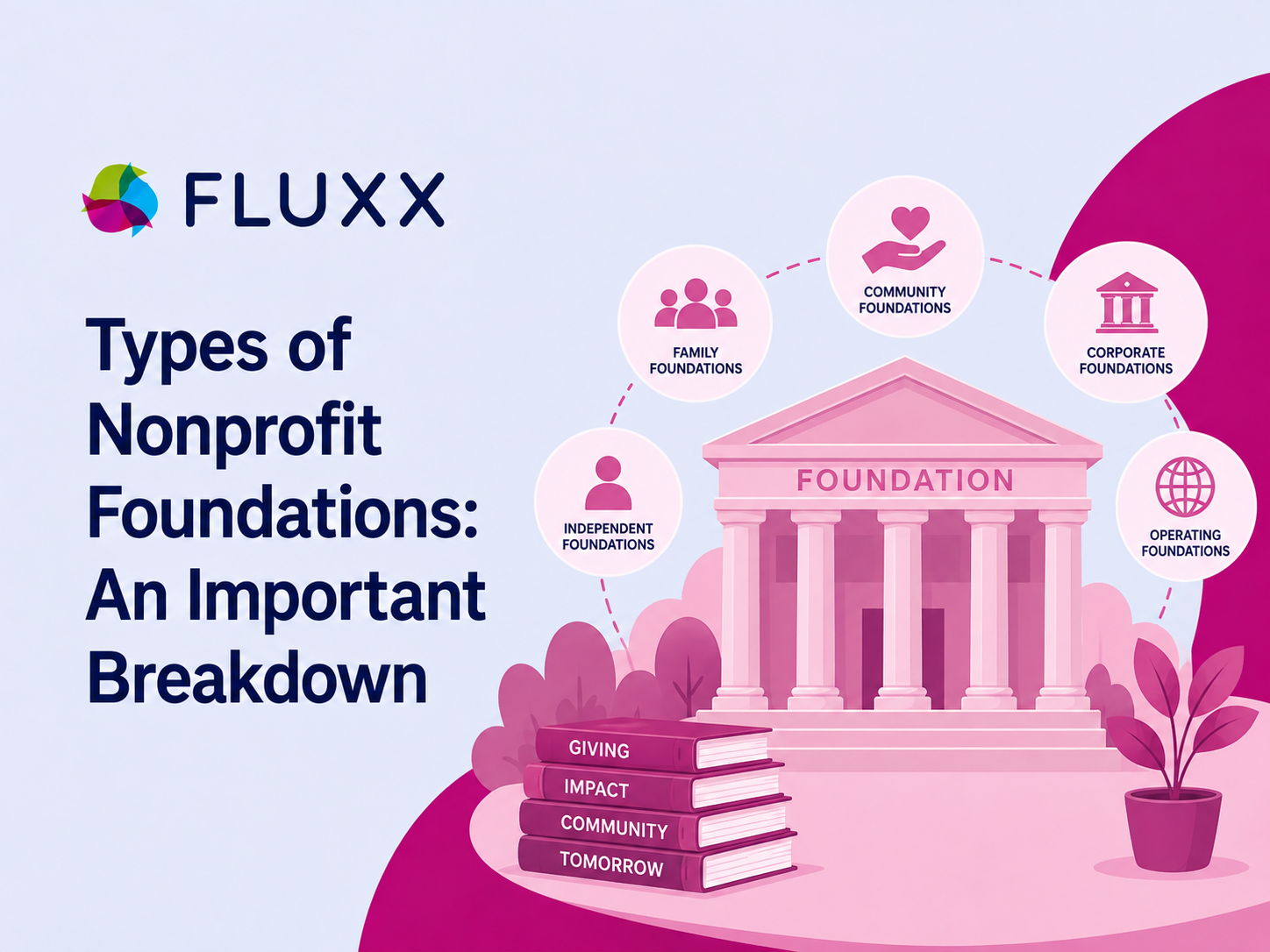
There are several types of nonprofit foundations that are involved in philanthropy in different ways.
Family Foundations
Family foundations are usually financed by an individual or a family and are established to finance charitable causes related to the philanthropic priorities of the family.
With a strong emphasis on legacy, philanthropic strategy, and a multigenerational approach, family members often serve on the board and participate in governance to select grant recipients.
Corporate Foundations
Corporate foundations are set up by corporations in order to manage their charitable spending.
This spending is usually associated with corporate social responsibility priorities, communities, where the employees live and work, education, workforce development, disaster relief, or other areas related to the values of the company.
Independent Foundations
Independent foundations are usually financed by an individual, a family, or an endowment and are independent from any active corporation or fundraising organization.
They usually have professional staff, a board, and extensive grantmaking programs in various fields.
Community Foundations
Community foundations gather contributions from various donors and allocate funds to a certain region.
They manage donor advised funds, scholarship funds, unrestricted community funds and other charitable mechanisms and issue grants to local nonprofits.
Operating Foundations
Private operating foundations are different from the traditional grantmaking foundations in terms of financing and using their funds to conduct their charitable programs.
Instead of allocating the funds for the unrelated organizations, they usually engage in operating research institutions, museums, educational programs and other initiatives.
Comparing These Types
|
Type of Foundation |
Typical Sources of Funding |
Main Focus |
Common Approach to Grants |
|
Family Foundation |
Family wealth |
Family philanthropic priorities |
Grants aligned with family mission |
|
Corporate Foundation |
Company |
Community and corporate impact |
Programmatic and community grants |
|
Independent Foundation |
Individual, family, or endowment |
Defined philanthropic mission |
Grants in selected issue areas |
|
Community Foundation |
Multiple donors |
Geographical community |
Local grants and donor directed funding |
|
Operating Foundation |
Endowment or private funding |
Directly operating programs |
Operating programs vs grants |
Although these institutions might finance similar goals, their structures, governance, funding models and grantmaking responsibilities might differ significantly.
Is There Any Difference According To IRS Classification?
Indeed, according to the current US tax legislation, charitable institutions classified under Section 501(c)(3) are divided into public charities or private foundations.
Private foundations usually get substantial financial support from a limited number of people (individuals, families, companies). On the contrary, public charities usually receive public support or are entitled to it according to the nature of their activity.
Community foundations are usually organized as public charities, while family, independent and corporate foundations are organized as private foundations.
This classification is important, because the private foundations are usually subject to additional requirements concerning distributions, self-dealing, investments, taxable expenditures, and reporting.
Consulting professionals in the field of taxation and law should be helpful in classifying your organization.
Grants These Foundations Issue
Types of grants offered by nonprofit foundations differ according to the mission and strategy of these organizations.
Among the common grants are:
- General operating grants: grants that provide flexible funds for covering organization's expenses.
- Program grants: funds intended to finance a particular project or initiative.
- Capital grants: funds allocated for buildings, equipment, facilities and other investments.
- Capacity building grants: funds intended to strengthen the technologies, staffing and internal processes in nonprofits.
- Multi-year grants: grants that give financing during several years.
- Matching grants: funds that are given when the grantee raises a certain sum of money from other sources.
- Research grants: funds for financing research and academic studies.
- Emergency grants: funds given for immediate needs of communities and organizations.
Various foundations may use several of the mentioned methods in their grant portfolios. And when the portfolio grows, the management of applications, approvals, payments, requirements, reports and history becomes more difficult.
Why Fluxx Can Help With Managing Grants
The grant management process becomes more complicated with increasing numbers of programs, applicants, reviewers, grantees, payments, reporting and history records managed by foundations. Fluxx can help to organize this information in one system.
With Fluxx you can:
- Centralize your grant data: collect all applications, information about grantees, approvals, payments, requirements and the historical records of your foundation.
- Configure your workflows: organize different processes of reviewing and approval of grants.
- Improve reporting: increase the visibility of funding activity for your program staff, executives and board members.
- Track compliance requirements: organize all documentation, deadlines, reporting requirements and audit history.
- Develop your relations with grantees: preserve all the communications, previous funding and organizational history.
- Handle various types of grants: manage operating grants, project grants, multi-year grants, capacity building grants, etc. without organizing any manual process.
This advantage becomes especially obvious in case there are several programs or types of grants handled by the foundation.
Rather than repeatedly modifying spreadsheets to accommodate new initiatives, dedicated grant management software enables your team to streamline operations and enhance efficiency.
Comprehending the Foundation Environment
As you may see, despite the similarity in their goals, various types of nonprofit foundations operate in different ways.
Family foundations give preference to legacy and long-term philanthropy. Corporate foundations try to combine their philanthropy with the interests of the community and company. Community foundations unite the funds of many donors, while operating foundations concentrate on running their own programs.
These differences influence all aspects of the operation of foundations, starting with governance and tax treatment and ending with the types of grants they issue.
Whichever type of the foundation you deal with, efficient grantmaking is possible only when you organize the process of applications, decisions, payments, reporting and history management. With the growth of the foundation, it becomes more and more difficult to manage this process via spreadsheets and disconnected systems.
Get a demo of Fluxx to learn how grant management software can help your foundation.
Frequently Asked Questions
Which types of nonprofit foundations exist?
The most common are family foundations, corporate foundations, independent foundations, community foundations, and private operating foundations. The differences lie in their funding sources, structures and grantmaking approaches.
Are all foundations nonprofits?
Many charitable foundations are organized as nonprofit organizations, but the term "foundation" does not automatically imply the tax classification. Legal structure and IRS classification are different things.
What is the difference between a public charity and a private foundation?
Public charities are usually financed from broader public support or qualify as operating charitable programs, while private foundations are usually financed from individual or family donations, corporation or endowment and are subject to additional rules of federal legislation.
Which types of grants do foundations issue?
The foundations may issue general operating, program, capital, capacity building, multi-year, matching, research and emergency grants depending on their missions and strategies.