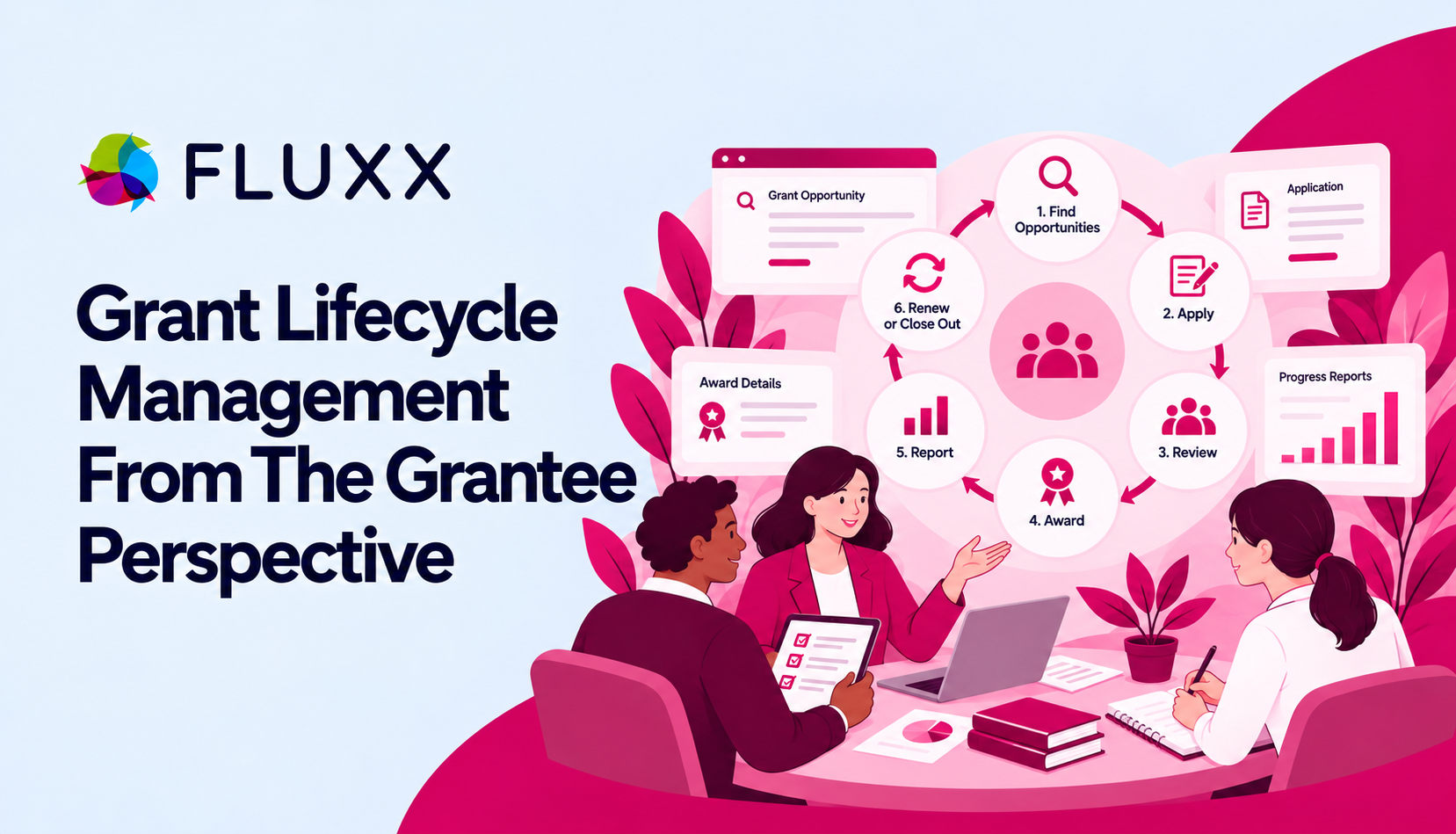
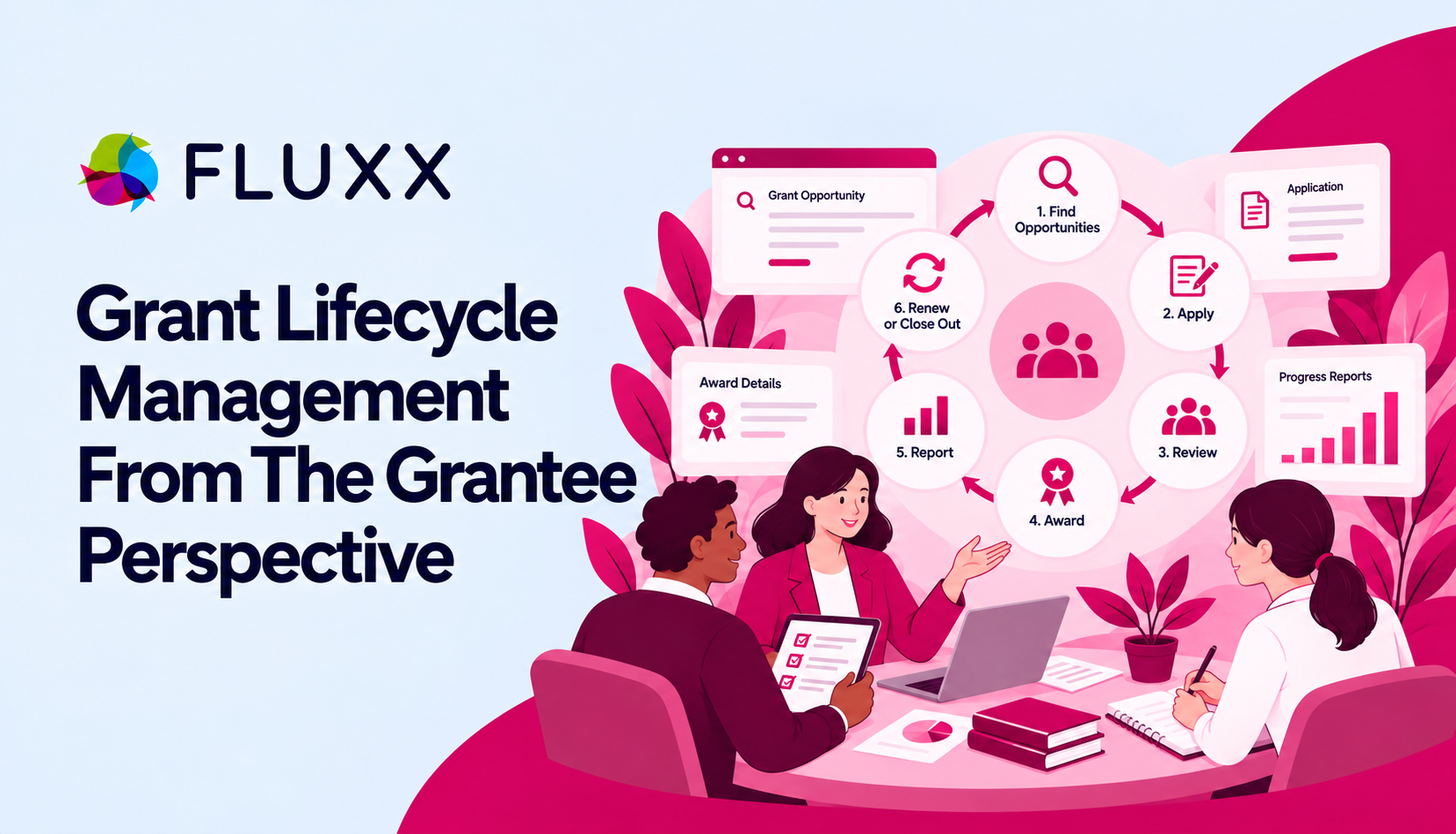
The grant process is much more than filling out the form and getting an answer.
Every opportunity goes through the cycle of research, qualification, application, review, award, reporting, renewal, and closeout. In each case, applicants have a number of specific responsibilities and tasks.
This is why grant lifecycle management is essential.
It can help organizations track where their opportunities are at each stage, what actions are required next, what deadlines are upcoming and who will take care of the process.
Use of grant lifecycle manager or grant seeker software can simplify this process and provide the organizations with a unified platform for managing opportunities through the whole cycle.
What Is A Grant Lifecycle?
A grant lifecycle is the full sequence of stages that the funding opportunity goes through from the moment it is identified until the grant is closed or renewed.
For the grantseekers, it usually includes the following steps:
- Opportunity discovery
- Qualification
- Application development
- Submission
- Funder review
- Award or decline
- Grant implementation
- Reporting
- Renewal
- Closeout
There are unique requirements for each stage. During research, the team is trying to figure out whether this is the right opportunity. During the application stage, there are a number of tasks related to coordination of documents, budgets, approvals, narrative content, etc.
After the award, the team needs to take care of compliance, spending, outcomes, and reporting.
A grant lifecycle management process can help the organization to connect each of these stages instead of managing them separately.
An Overview Of The Grant Lifecycle Process
The typical process starts with the identification of potential funders or open opportunities. The organization evaluates whether the opportunity is aligned with its mission, programs, eligibility, funding needs, and capabilities.
Then, if the opportunity is found to be a good fit, the application development stage follows. It may include gathering information about programs, finances, outcome data, leadership approval, etc.
Once the application is submitted, the funder proceeds with the review and decision process. The grant seekers may have to answer additional questions, provide some documentation and participate in interviews.
If the grant is awarded, the process moves to the post-award management. It may include signing agreements, managing restrictions, monitoring deadlines, collecting outcome data, submitting reports, and preparation for renewal or closeout.
The lifecycle only ends once all the requirements are completed and the whole history of the grant is documented.
Applicant Actions At Each Stage
The organizations have different responsibilities at each stage of the grant lifecycle.
During discovery: the applicants are supposed to conduct research of the funders and relevant opportunities and document deadlines, priorities, award ranges, and eligibility requirements.
During qualification: the teams are expected to find out if the opportunity is strategic enough for the organization and if the expected funding can justify the efforts to apply.
During application development: grantseekers have to gather narratives, budgets, program data, supporting documents, and obtain the necessary internal approvals.
During submission and review: the teams should check whether everything has been submitted and monitor the communication with the funder in case of any requests for additional information.
After the award: the organization needs to review the agreement, assign ownership of the process, manage restrictions, monitor spending, program milestones, and required documentation.
During reporting and renewal: teams are expected to gather financial and program information, produce reports, document outcomes and make a decision about renewal.
The biggest challenge in this process is the continuity of these steps.
Things You Can Do To Be Prepared For Each Step
Preparation will make the lifecycle management much easier.
Prior to applying for an opportunity, it is recommended to have the following documents ready:
- Financial statements
- Budgets
- Organizational information
- Leadership biographies
- Program descriptions
- Outcome data
- Standard policies, etc.
The teams should also establish the ownership of the process. The development team will lead the application process, the finance team will provide budget information, the program team will provide the outcome data, and leadership will approve the submission.
Good grant lifecycle management process also includes:
- Centralized funder and opportunity records
- Unified naming and documentation practice
- Defined internal deadlines prior to the funder deadline
- Approval responsibilities
- Updated financial and program information
- Monitoring of reports and renewals
- Previous application and award information
It will help to avoid starting the process from scratch with each opportunity.
Why It Doesn’t End After You Get The Award
The award changes the responsibilities but it doesn’t end them.
Once the award is accepted, the organization faces new obligations. There may be some restrictions on the spending of the funds, reporting deadlines, performance milestones, documentation requirements, change approvals, etc.
Post-award management is important for future funding.
Nonprofit that provides accurate reporting, communicates well with the funder, meets all the requirements and demonstrates impact will be in a much better position during the renewal process. Poor post-award management may ruin any good relationship regardless of the initial quality of the application.
This is why the lifecycle of grant management should connect pre-award and post-award activities. The information gathered during the application should be used for implementation, reporting, and renewal.
Where To Find Information About A Grant’s Lifecycle
Grantees often have to collect the lifecycle information from several sources.
It may include:
- Eligibility rules
- Deadlines
- Instructions for application
- Reporting requirements
- Program priorities, etc.
These materials are usually provided on the websites of funders.
The request for proposals and funding announcement contain detailed opportunity information, while grant agreements outline critical funding conditions and restrictions once awarded.
The teams should also look for the following information:
- Application portals
- FAQ of the funders
- Grant agreements
- Award letters
- Reporting instructions
- Communication via email
- Previous applications
- Historical funder records
Finding this information isn’t the problem. The challenge lies in organizing it in a way that gives you ease of access.
How Fluxx Helps You Discover Grants
Fluxx provides grantseekers with the opportunity to manage the opportunities using the more organized and integrated process.
Instead of tracking funders, applications, deadlines, documents, awards and reports in spreadsheets and separate folders, the teams are able to organize the information in one environment.
Fluxx can help grantseekers:
- Track opportunities
- Centralize funder records
- Manage deadlines
- Assign responsibilities
- Organize documents
- Maintain grant history
- Improve reporting
A grant lifecycle manager should make the whole process more streamlined and intuitive, rather than adding administrative complexity or creating another repository for data.
Managing The Full Grant Lifecycle More Effectively
Grant lifecycle isn't a single application and single decision. It is the ongoing process that starts with discovery and ends with reporting, renewal, and closeout.
Organizations that manage each stage of the process systematically are better positioned to craft compelling applications, hit critical deadlines, cultivate strong funder relationships, and uncover new opportunities, all without adding administrative friction.
The main advantage of grantseeker software is the visibility. Teams can see what is going on now, what has to be done next and how each opportunity relates to the whole pipeline of funding.
Book a demo with Fluxx to discover how our grant lifecycle management platform empowers your organization to seamlessly uncover funding opportunities, instill operational structure, and drive grants to completion from discovery through closeout.
Frequently Asked Questions
What is a grant lifecycle manager?
A grant lifecycle manager is the system or process used to track grants throughout research, qualification, application, submission, review, award, implementation, reporting, renewal and closeout stages.
What are the main stages of grant lifecycle management?
Main stages of grant lifecycle management include research, qualification, application, submission, review, award, implementation, reporting, renewal, and closeout.
Why is grant lifecycle management important for grantseekers?
Grant lifecycle management is helpful for organizations that want to track deadlines, coordinate teams, maintain records, manage post-award requirements and minimize the risks of overlooking something important.
Does the grant lifecycle end when an award is received?
No, after the award is obtained, organizations still need to manage spending, reporting, program milestones, compliance requirements, renewals and closeout.
How can grantseeker software improve the grant lifecycle?
Grantseeker software centralizes opportunities, funder records, deadlines, documents, responsibilities, awards, and reporting information.